
Table of Contents
- Common Hidden Costs That Catch Homeowners Off Guard
- What Should a Building Quote Include
- How to Compare Building Quotes Without Missing Red Flags
- Setting a Home Renovation Contingency Budget
- Using a Renovation Budget Spreadsheet to Track Costs
- Securing Accurate Quotes: Questions to Ask Your Builder
- Protecting Yourself Against Cost Overruns
- Frequently Asked Questions
Last Updated: October 16, 2026
Common Hidden Costs That Catch Homeowners Off Guard
When you ask a builder for a quote, you're usually thinking about labour and materials. But hidden costs in home renovations often catch homeowners off guard because they don't appear in the initial estimate.
The most common hidden costs fall into three categories: structural discoveries, regulatory fees, and site logistics. Each can add thousands to your budget.
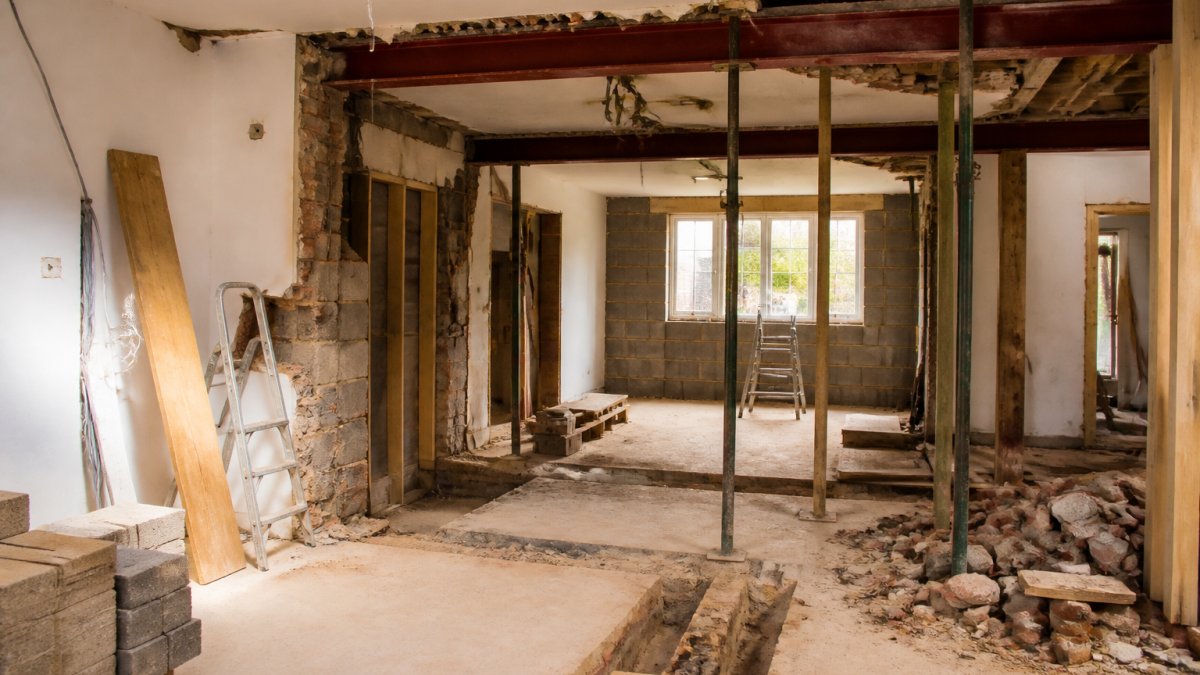
Structural discoveries and remedial work
You won't know what's behind your walls until you open them up. Builders often find problems the survey missed.
Common discoveries include:
- Asbestos in old insulation, pipe lagging, or floor tiles
- Dry rot or wet rot in timber frames and joists
- Subsidence cracks requiring underpinning
Each requires specialist remedial work. Asbestos removal alone can cost £2,000 to £5,000, and structural repairs cost more, so budget for these unknowns before work starts.
Permits, inspections, and compliance fees
Building Control approval isn't optional. Every renovation project in England requires it unless it's purely cosmetic, and many homeowners underestimate the cost and disruption.
Your costs include:
- Building Control application fees (typically £500-£1,500) (Building Control fees)
- Structural engineer certification (£400-£800)
- Asbestos surveys if your property was built before 2000 (£200-£400)
These aren't negotiable. Inspectors visit at foundation stage, mid-construction, and completion; failed inspections mean remedial work before sign-off, adding weeks to your timeline.
Site access and utility disconnections
Getting materials to site and managing existing utilities costs more than most homeowners expect. On a narrow street or with limited access, you'll pay extra for careful delivery logistics or smaller vehicles.
Budget for:
- Temporary scaffolding (£1,500-£4,000 for a typical extension)
- Hoardings and safety barriers (£500-£1,500)
- Temporary water and power connections (£300-£800)
Older properties in Victorian terraces or period homes often have limited site access. A loft conversion in a narrow Walton-on-Thames street costs more to manage than one in a detached house with a driveway.
What Should a Building Quote Include
A proper building quote isn't just a single number. It should break down labour, materials, overheads, and contingencies so you understand what you're paying for. A vague quote risks hidden costs in home renovations emerging later.
Labour, materials, and overheads breakdown
Your quote should show these three elements separately. Labour is the builders' time, materials are the physical products going into your home, and overheads cover site management, insurance, fuel, and equipment hire.
A proper breakdown looks like this:
| Cost Category | What It Includes | Typical % of Total |
|---|---|---|
| Labour | Wages for all tradespeople | 40-50% |
| Materials | Bricks, timber, plasterboard, fixtures | 30-40% |
| Overheads | Site management, insurance, equipment | 10-15% |
| Contingency | Unexpected costs (see next section) | 10-15% |
If a builder gives you a single line item ("Extension: £85,000"), you can't identify where costs are going.
Labour rates vary by trade. Electricians and plumbers cost more than general labourers. A quote that doesn't break this down is hiding something.
Provisional sums and contingency lines
Provisional sums are estimates for work that can't be priced precisely until the project starts. Your quote should list them separately so you know which costs might change.
Common provisional sums include:
- Structural remedial work (once the walls are open)
- Electrical or plumbing upgrades (if the survey hints at problems)
- Specialist finishes that depend on site conditions
A good quote will say something like: "Provisional sum for structural repairs: £3,000. This will be confirmed once we expose the walls."
Contingency is different: a percentage buffer for genuinely unexpected costs, usually 10-15%.
Timeline, payment schedule, and terms
Your quote should include:
- Start and completion dates (even if they're estimates)
- Payment schedule (e.g., 25% on signing, 50% mid-project, 25% on completion)
- Conditions that might delay the project (e.g., "subject to Building Control approval")
If the quote says "Project duration: 16 weeks, weather permitting," push for a specific timeline. An unclear payment schedule means you could pay too much too early and lose leverage if problems arise.
How to Compare Building Quotes Without Missing Red Flags
Getting multiple quotes is essential, but comparing them properly requires care. A lower quote isn't always better, it might mean the builder missed costs or cut corners.
Check the scope and assumptions in writing
Before comparing numbers, make sure all quotes cover the same scope of work. If one includes a new kitchen and another doesn't, the prices aren't comparable.
Ask each builder to confirm in writing:
- Exact specifications of materials (e.g., "Porcelain tiles, 600x600mm, £45/m²")
- What's included and what's excluded (e.g., "Excludes decoration" or "Includes decoration")
- Which trades are included (e.g., does the electrician upgrade the consumer unit?)
Once you have this in writing, you can compare fairly. If one quote is significantly lower, ask why. Common reasons: lower-grade materials, missing trades, underestimated contingency, or plans to charge for extras later.
Spot vague line items and missing detail
Red flags in a quote include:
- "General labour: £15,000" (no breakdown of what work this covers)
- "Materials: £20,000" (no itemisation)
- "As per specification" (no specification provided)
A quality quote lists specific items with costs, such as "Electrical rewire, 3-bed house: £4,200" or "Plastering, 150 m²: £2,100". If you see vague lines, ask for clarification before signing.
Setting a Home Renovation Contingency Budget
Contingency is the most misunderstood part of renovation budgeting. Many homeowners set it too low and panic when unexpected costs appear.
How much to set aside and why
The standard contingency is 10-15% of the total project cost: £5,000-£7,500 on a £50,000 extension, or £10,000-£15,000 on a £100,000 refurbishment.
Larger projects have more unknowns: a small kitchen refurbishment might need only 10%, while a structural alteration in an old Victorian property might need 20%.
Factors that increase contingency:
- Older properties (more likely to have hidden problems)
- Structural work (unknowns behind walls and under floors)
- Listed buildings (regulatory surprises)
Factors that decrease contingency:
- New properties (fewer unknowns)
- Cosmetic work only (you can see what you're getting)
- Simple projects with clear scope
If you're avoiding hidden costs in home renovations by working with an experienced builder, they'll tell you what contingency is realistic for your project.
When contingency funds are triggered
Contingency isn't a slush fund, it should only cover genuine unforeseen costs within the project scope. Typical triggers include:
- Structural defects discovered during work
- Asbestos or other hazardous materials
- Utility upgrades required by Building Control
What contingency should NOT cover:
- Changes you decide to make (these are extras, not unforeseen costs)
- Poor workmanship that needs redoing (this is the builder's responsibility)
- Inflation between quote and completion (this should be in the fixed price)
If contingency is used, your builder should explain the trigger and get written approval before proceeding.
Using a Renovation Budget Spreadsheet to Track Costs
The best way to manage avoiding hidden costs in home renovations is to track every cost as it happens.
Your spreadsheet should include:
- Budget line (from the quote)
- Actual cost (what you've paid or been invoiced)
- Variance (difference between budget and actual)
Update it weekly as invoices arrive so you notice overspending while you can still act.
A basic structure:
| Item | Budget | Actual | Variance | Notes |
|---|---|---|---|---|
| Structural engineer | £600 | £650 | +£50 | Extra report required |
| Scaffolding | £2,000 | £2,000 | 0 | On budget |
| Electrical work | £4,200 | £4,500 | +£300 | Additional circuits added |
| Materials | £15,000 | £15,200 | +£200 | Price increase mid-project |
When you see a variance, ask your builder to explain it, genuine unforeseen cost or poor planning? This keeps pressure on them to manage costs properly.
Securing Accurate Quotes: Questions to Ask Your Builder
The right questions during the quoting stage prevent problems later. Most homeowners don't ask enough detail, leaving room for misunderstanding and hidden costs in home renovations.
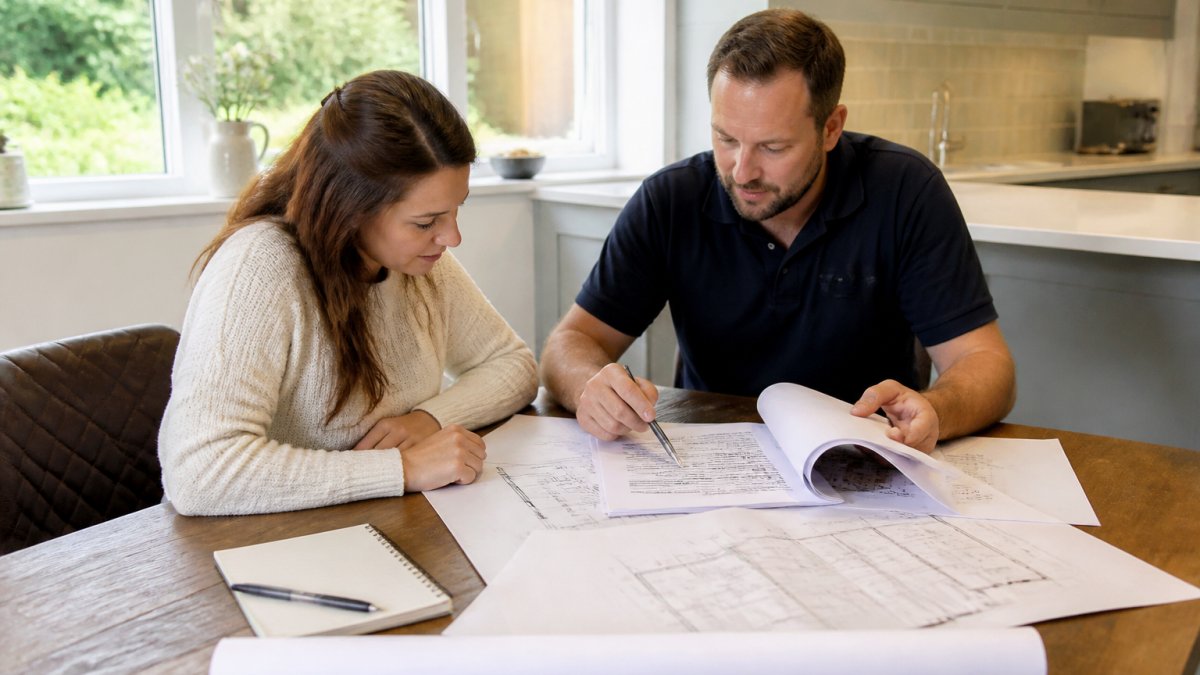
Start with these questions:
About scope and specifications:
- "Can you list every material by brand and specification, not just 'tiles' or 'paint'?"
- "What's included in your labour costs, and what's charged separately?"
- "Are Building Control applications and inspections included in your quote?"
About the unknowns:
- "What assumptions have you made about hidden problems?"
- "If we find asbestos, what's your process and cost?"
- "What's your contingency percentage, and what triggers it?"
About timelines and payments:
- "What's your realistic start and completion date?"
- "What could delay the project, and how would that affect cost?"
- "What's your payment schedule, and what triggers each payment?"
About experience and standards:
- "Can you show me examples of similar projects you've completed?"
- "What qualifications do your tradespeople hold?"
- "What's your process for quality checking and sign-offs?"
These questions take time but prevent far bigger problems later.
Protecting Yourself Against Cost Overruns
Once work starts, protecting yourself requires clear contracts and regular communication. Most cost overruns happen because expectations drift or changes aren't documented.
Fixed-price contracts and variation clauses
Your contract should be fixed-price for the main scope of work, so the builder can't charge more unless you request changes or genuine unforeseen costs trigger the contingency.
A good contract includes:
- Fixed price for the main scope (e.g., "Extension: £85,000 fixed")
- Provisional sums clearly listed (e.g., "Structural repairs: £5,000 provisional")
- Contingency amount (e.g., "Contingency: 12% = £10,200")
The variation clause is crucial: any work outside the agreed scope requires a written variation order signed by the homeowner before work begins, with a cost estimate, so you approve and understand the cost of any extra work before it happens.
Regular site meetings and written sign-offs
Weekly site meetings keep everyone aligned.
Keep notes of every meeting and send the builder a brief weekly email confirming what was discussed and agreed. This creates a paper trail.
When work is completed, do a final walkthrough and sign off.
Avoiding hidden costs in home renovations comes down to planning, documentation, and communication. The better your initial quote and contract, the fewer surprises you'll face.
Ready to start your renovation with confidence? Building Control guidance on planning and building regulations outlines what you need to know about compliance. Get in touch with us for a detailed quote that covers all the costs you need to plan for.
Frequently Asked Questions
What are the most common hidden costs in a home renovation?
Structural problems discovered during work, such as asbestos, damp, or failing foundations, are the biggest surprise. Building regulation fees, planning applications, and utility disconnections often aren't included in initial quotes. Waste removal, temporary accommodation during major disruption, and changes you request mid-project also add up quickly. A detailed survey before quotes helps catch many of these, but some only emerge once walls are opened.
How much should I budget for a home renovation contingency?
Most professionals recommend 10-20% of your total project cost as contingency for unforeseen issues. For older properties or those with known structural concerns, aim for the upper end. This fund covers discoveries like hidden damage, design changes, and minor delays. Keep contingency separate from your main budget and only spend it on genuine surprises, not scope creep or client requests.
How can I avoid unexpected costs during a home renovation?
Get a detailed structural survey before requesting quotes, not after. Ensure every quote lists what's included and what isn't, with provisional sums for unknowns clearly marked. Ask your builder to flag assumptions in writing. Request a fixed-price contract with a defined variation clause. Hold regular site meetings and sign off on changes in writing before work begins. These steps catch misunderstandings early when they're cheap to resolve.
Can a builder charge more than the original quote?
Only if your contract allows it through a variation clause or if you've approved changes in writing. A fixed-price quote with a clear scope should not increase unless you request additional work or the builder discovers structural issues that genuinely weren't foreseeable. Always insist on written approval before extra costs are incurred. Your contract terms and the builder's terms of business define what happens if problems emerge mid-project.