
Last Updated: 1 November 2026
Quick Summary
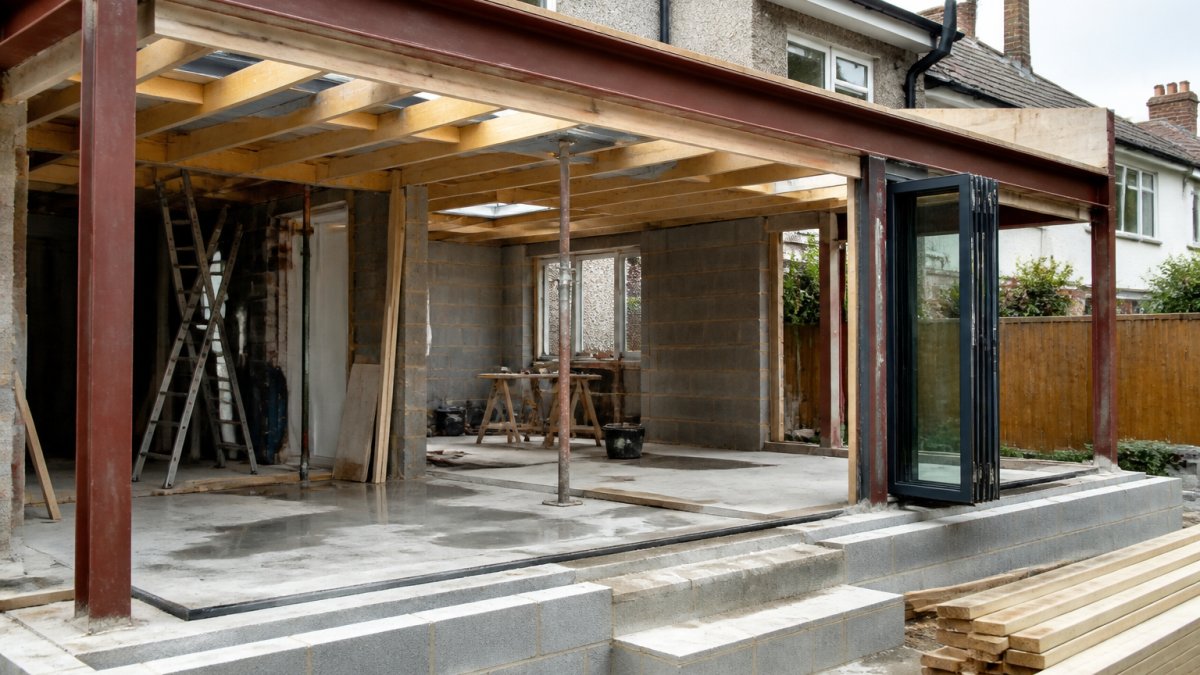
Renovation insurance is specialist cover for building work in progress, designed to close the gaps a standard home policy leaves open. A specialist policy should cover the existing structure, the works in progress and your liability to others. Notify your current insurer before work starts, because most home policies restrict cover once a property is unoccupied or undergoing major structural work.
- Standard home policies insure a finished home, not a building site, so cover often drops during major works.
- Almost every home policy has a notification clause requiring you to disclose renovation work.
- Check the exact definition of unoccupied and how many consecutive empty days trigger restrictions.
- Ask each contractor for a current public liability certificate before work begins.
- Photograph the property room by room before work starts and date every image.
Table of Contents
- Why Standard Home Insurance Falls Short During Renovation Work
- Home Insurance for Renovations: What Your Existing Policy Actually Covers
- What a Specialist Renovation Insurance Policy Should Include
- Unoccupied Property Insurance During Renovation and Void Periods
- Public Liability Insurance for Builders: Who Covers What on Site
- Renovation Insurance Policy Exclusions to Read Before You Sign
- A Step-by-Step Checklist for Arranging Cover Before Work Starts
- Making a Claim: Evidence to Keep From Day One
- Frequently Asked Questions
Why Standard Home Insurance Falls Short During Renovation Work
Renovation insurance is specialist cover for building work in progress, designed to close the gaps a standard home policy leaves open.
The core problem is that a standard home insurance policy insures a finished home, not a building site. See our property renovation in Surrey service, project-managed start to finish.
A common mistake is assuming "buildings cover" means "covered while building." It rarely does.
The Association of British Insurers guidance on home insurance confirms that material changes to a property, including major works, should be disclosed to your insurer.
Home Insurance for Renovations: What Your Existing Policy Actually Covers
Home insurance for renovations depends entirely on your policy wording, and most standard policies offer far less than owners expect. The typical policy covers the finished home against fire, flood and theft. It does not treat a half-built extension as part of that home.
Here is what usually changes during works:
- Occupancy conditions: many policies cut cover if the home is left empty for a set period
- Structural work limits: some exclude damage caused by demolition or alterations
- Materials and plant: tools and building materials on site are often excluded or capped
The notification clause most owners miss
Almost every home policy includes a notification clause. It requires you to tell your insurer about changes that increase risk.
Fail to notify, and the insurer can reduce or refuse a claim. This is where project protection lives or dies.
Before signing anything with a builder, read that clause. Then ring your insurer and confirm, in writing, how the work affects your cover.
What a Specialist Renovation Insurance Policy Should Include
A specialist renovation insurance policy should cover three things: the existing structure, the works in progress, and your liability to others. If a quote covers only one or two, it is not tailored cover.
Contract works, materials and existing structure
Contract works means the new construction itself: the extension, the loft conversion, the new kitchen. A good policy covers contract works up to a stated sum, plus materials stored on site and waiting to be fitted.
The existing building needs separate protection. Structural changes can leave the original property exposed to weather and accidental damage. Check that both are named in the policy, with clear cover limits.
Public and property-owner liability
Property-owner liability covers claims from third parties injured or harmed by your property or the works. Public liability covers injuries to visitors and damage to neighbouring property.
As the property owner, you carry liability for the site even when a contractor is running it. Confirm the limit is high enough for the scale of your project, and check whether your builder's policy sits alongside yours or instead of it.
Unoccupied Property Insurance During Renovation and Void Periods
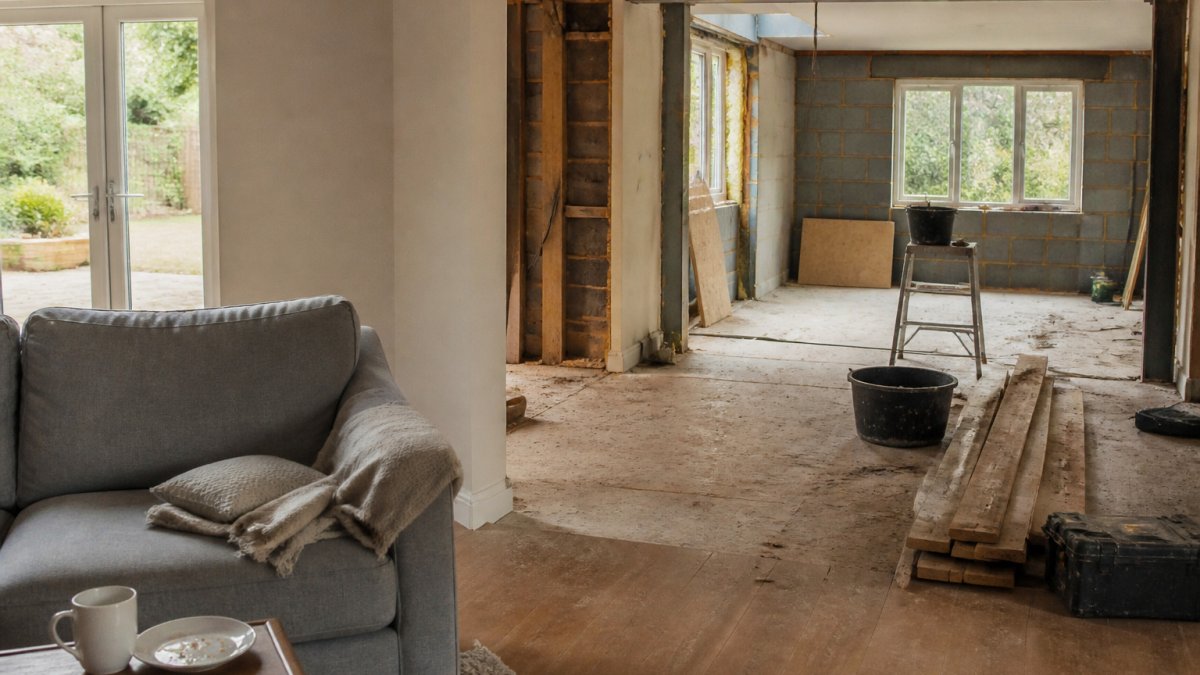
Unoccupied property insurance during renovation matters because most standard policies restrict cover when a home is empty. Void periods, where the property sits empty between trades or while you await materials, are a particular trap.
Insurers define "unoccupied" differently, and the threshold is set by each policy wording. Always confirm the exact definition and any inspection requirements in the policy wording.
How cover needs change by project scenario
The table below shows how the same renovation insurance product can behave very differently depending on your circumstances. Use it to identify which questions to ask your broker.
| Scenario | Key insurance considerations | Practical steps |
|---|---|---|
| Unoccupied house (e.g., probate sale, inherited property) | Standard unoccupied cover may exclude theft, vandalism and escape of water after 30-60 days. Renovation policies may require weekly inspections and a working alarm. | Notify insurer before exchange; arrange specialist unoccupied cover; keep a dated inspection log; secure all openings. |
| Live-in refurbishment (you stay in the property) | Occupancy conditions are met, but standard policies may still exclude damage caused by structural work. Dust, vibration and temporary loss of watertightness are common claim triggers. | Check whether the policy covers accidental damage to existing structure during works; confirm whether you need to move out for any phase. |
| Listed building | Repairs must use traditional materials and methods; insurers may require specialist contractors and impose higher excesses for heritage features. | Confirm the policy covers the cost of like-for-like repair; check any requirement to use approved contractors. |
| Project with temporary structure (scaffolding, site cabin, portaloo) | Temporary structures may be excluded or have low limits. Scaffolding can damage the building if it collapses or is struck. | Ask for temporary works cover; confirm whether scaffolding is insured by you or the contractor. |
| Void period between trades (e.g., waiting for materials) | The property may be empty for weeks; theft and water damage risks rise. | Arrange regular inspections; keep a written log; notify insurer if the void exceeds the policy limit. |
What to confirm with your insurer
Before work starts, get written answers to these questions:
- What is the exact definition of "unoccupied" in the policy?
- How many consecutive days can the property be empty before cover is restricted?
- What security measures are required during void periods (alarm, locks, inspections)?
If your family is moving out for the duration of the works, tell your insurer before you go. Ask whether a specialist policy will accept extended void periods, and on what conditions. Keep a written log of those inspections, including dates, times and any issues found. This log can be crucial if you need to claim.
Public Liability Insurance for Builders: Who Covers What on Site
Public liability insurance for builders protects against injury or property damage caused by the contractor's work. It is the builder's responsibility, not yours, and you should ask for proof before work starts.
Here is how responsibility usually splits:
| Party | Typically covers | Ask for |
|---|---|---|
| Property owner | Existing structure, owner's liability | Specialist policy schedule |
| Main contractor | Their work, their staff, third-party injury | Certificate of public liability cover |
| Subcontractors | Their own work and staff | Confirmation they are named or covered |
Two policies can overlap, and that is fine. Ask each contractor for a current certificate and check the limit and expiry date. How we work shows how a project runs from the written quote to final sign off. The Health and Safety Executive guidance on construction risks sets out how site risks should be managed, which helps you ask the right questions.
Renovation Insurance Policy Exclusions to Read Before You Sign
Renovation insurance policy exclusions decide whether a claim gets paid, and they are where cheap quotes hide their gaps. Read the exclusions before the cover limits.
The usual suspects:
- Defective workmanship: damage caused by poor work is excluded, and the insurer may pursue the tradesman
- Gradual damage: damp, rot and settlement that built up over time
- Wear and tear: existing deterioration is not covered
The thing nobody tells you about exclusions is that they interact. Compare policy wording line by line, not headline price against headline price. Avoiding hidden costs in home renovations explains how to spot gaps and compare quotes fairly.
A Step-by-Step Checklist for Arranging Cover Before Work Starts
Arranging cover before work starts follows a clear sequence. Work through it in order, and keep every document.

- Confirm the scope in writing. List structural changes, duration and project value.
- Read your existing policy. Find the notification clause and occupancy limits.
- Notify your current insurer. Ask how the works affect cover, and get the answer in writing.
- Get specialist quotes. Share the scope, timeline and contract sum with each insurer.
- Check the builder's cover. Collect public liability certificates before work begins.
- Agree who insures what. Put it in the contract so there is no dispute later.
- Set the start date. Cover should begin before demolition, not after.
- Log site security. Record inspections and secure the site during void periods.
Before you sign the building contract, understand how variations and change orders are documented, because they affect both cost and cover.
Making a Claim: Evidence to Keep From Day One
Claims are won or lost on paperwork, so start the file on day one. Photograph the property before work begins, room by room, and date every image. But different types of claim require different evidence, and the claims process itself has steps you should understand before you need to use it.
Evidence to keep for each claim type
| Claim type | Evidence to retain | Why it matters |
|---|---|---|
| Theft | Police crime reference number; list of stolen items with values and receipts; photos of forced entry; site security logs. | Insurers often ask for proof of forced entry and a police report when assessing theft claims. |
| Accidental damage | Photos of the damage before any repair; contractor's report on cause; receipts for damaged materials. | Proves the damage was accidental and not gradual or defective workmanship. |
| Weather damage | Photos of damage; temporary repair invoices. | Confirms the event was severe enough to trigger cover and that you mitigated further loss. |
| Escape of water | Plumber's report; photos of the leak and affected areas; list of damaged items. | Distinguishes a sudden leak from gradual deterioration, which is usually excluded. |
| Third-party liability | Incident report; witness statements; correspondence with the injured party; contractor's insurance details. | Helps establish liability and whether your policy or the contractor's should respond. |
The claims process step by step
- Report immediately. Tell your insurer as soon as damage or theft occurs. Most policies require prompt notification; late claims can be declined.
- Mitigate further loss. Take reasonable steps to prevent more damage (e.g., board up windows, stop water). Keep receipts for emergency repairs.
- Document everything. Photograph and video the damage before you move anything. Keep damaged items until the insurer says you can dispose of them.
- Complete the claim form accurately. Include all requested evidence; missing documents slow the process.
- Keep a claim diary. Record dates of calls, names of handlers, and any promises made.
- Authorise repairs only after agreement. Do not start permanent repairs until the insurer confirms cover; emergency repairs are usually allowed but keep receipts.
Records to keep throughout the project
- The policy schedule and any mid-term changes
- The building contract, scope and agreed variations
- Contractor certificates and invoices
Report any incident as soon as it happens. Insurers can decline late-notified claims. If a problem emerges mid-project, tell your insurer before you authorise a repair.
Frequently Asked Questions
Does standard home insurance cover renovations?
Usually not in the way owners expect. Most standard home insurance policies cover the existing building but exclude contract works, materials awaiting installation and damage caused by the building process itself. Many also require you to notify the insurer before work begins, and may restrict cover if the property is left unoccupied. Tell your insurer about the project in writing and ask them to confirm, in writing, what stays covered and what does not.
When should I arrange renovation insurance?
Before any materials arrive on site or any contractor starts work. Cover arranged after demolition has begun may not respond to damage that happened earlier. Build the policy start date into your project programme, and check that the cover period runs for the full duration of the works.
Who is responsible for insuring a property during renovations?
The owner normally remains responsible for insuring the existing structure, because the building is theirs. The contractor should hold public liability insurance for builders and, where the contract requires it, contract works cover for the works and materials until handover. Ask each party for a current certificate and check the cover limit, the insurer and the expiry date. Responsibilities should be written into the contract so there is no gap between the two policies.
Does renovation insurance cover structural work and extensions?
Specialist policies can cover structural alterations, extensions and loft conversions, but the cover is not automatic. Insurers will generally want to know the scope of the project before quoting. Disclose the full scope at quote stage to avoid a dispute later.
A renovation is a big financial commitment, and the paperwork around cover is easy to postpone until it is too late. At FMT Construction, we work with owners to make the build side clear from the outset: a written quote before work starts, careful management of structural alterations, and a documented handover at the end. Get started with FMT Construction and build with a team that has spent over 35 years delivering safe, long-lasting renovations across Surrey.