Table of Contents
- Bramdean vs Land to Homes: What Sets Them Apart
- Buying Land Versus Buying a House: The Fundamental Choice
- Understanding Land-to-Home Construction Costs
- Home Renovation Project Timeline: What to Expect
- Questions to Ask a Building Contractor Before Committing
- Why Experience and Transparency Matter in Your Choice
- Making Your Decision: Bramdean, Land to Homes, or a Different Path
- Frequently Asked Questions
Last Updated: October 21, 2026
Bramdean vs Land to Homes: What Sets Them Apart
When you're considering how to expand your living space, the comparison of bramdean vs land to homes reveals two distinct approaches: working with established renovation firms, or pursuing independent land acquisition and custom construction. The choice between these paths fundamentally shapes your project timeline, costs, and final outcome. At FMT Construction, we understand this decision, and the reality is more nuanced than most people realise.
The core difference isn't just about who builds your extension or conversion. It's about control, transparency, and how structural surprises are handled when they inevitably arise. Both Bramdean and Land to Homes operate established models, yet they serve different needs depending on your property's condition, your timeline, and your appetite for complexity.
This comparison cuts through the marketing claims to show you what each approach actually delivers, what hidden costs typically emerge, and how to ask the right questions before committing your money and your home to a months-long project.
Buying Land Versus Buying a House: The Fundamental Choice
The decision between purchasing land outright and buying an existing property with renovation potential is genuinely binary. You're not comparing slight variations, you're choosing between two entirely different risk profiles and timelines.
Buying land means starting from zero. You own the ground, but you're responsible for every decision: planning permissions, structural design, building regulations compliance, and coordinating multiple trades. The timeline stretches longer. Costs are harder to predict because you're building from first principles rather than working within an existing structure's constraints.
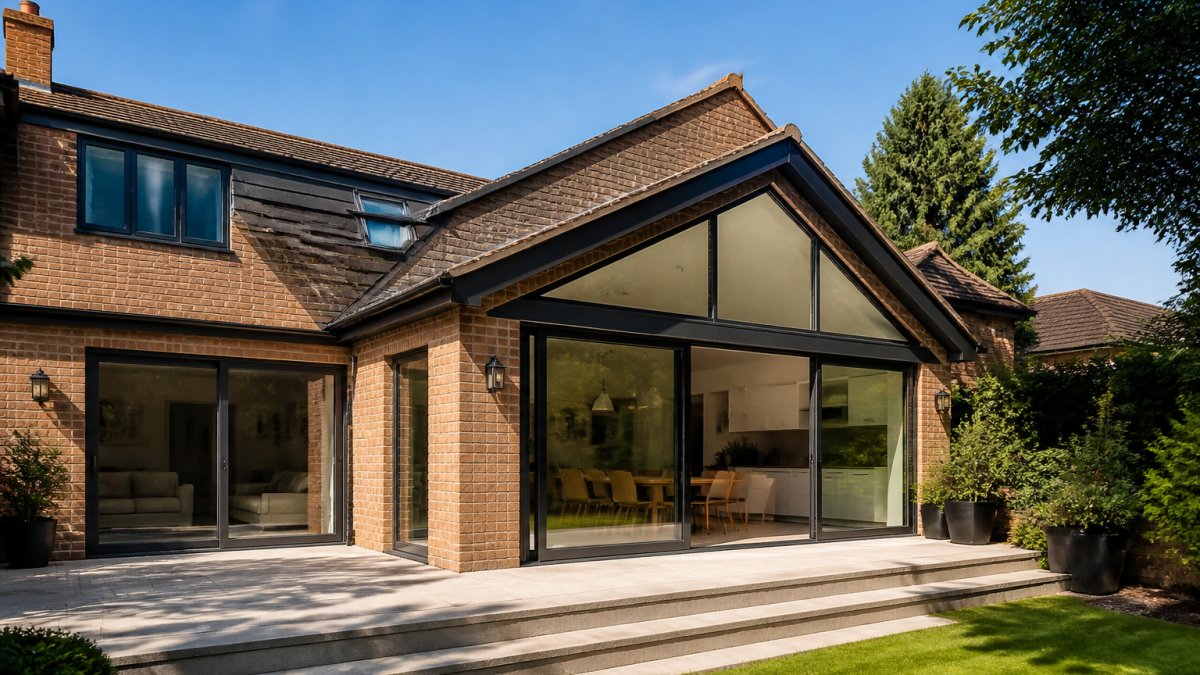
Buying a house with renovation potential means inheriting an existing foundation, walls, and systems. You're constrained by what's already there, but you're also protected by the fact that the major structural work is already done. Renovation firms like Bramdean and Land to Homes specialise in this middle ground, they work within existing properties to add loft conversions, extensions, and structural alterations that enhance what's already standing.
For most homeowners in Surrey, the second path makes practical sense. You're not starting a construction project from bare earth; you're transforming a house that already functions. That's precisely where firms with deep experience in complex structural work add the most value.
Understanding Land-to-Home Construction Costs
When people talk about land-to-home construction costs, they're usually underestimating them. The figure that matters isn't the price of the land or the quoted building cost, it's the total cost of ownership by the time you move in.
A straightforward extension has costs that depend on finish quality and local labour availability. But that's only the construction cost. You'll also face planning application fees, building regulation approval fees, structural surveys, architectural drawings, project management, and contingency reserves for the unexpected structural issues that nearly every older property reveals once walls come down.
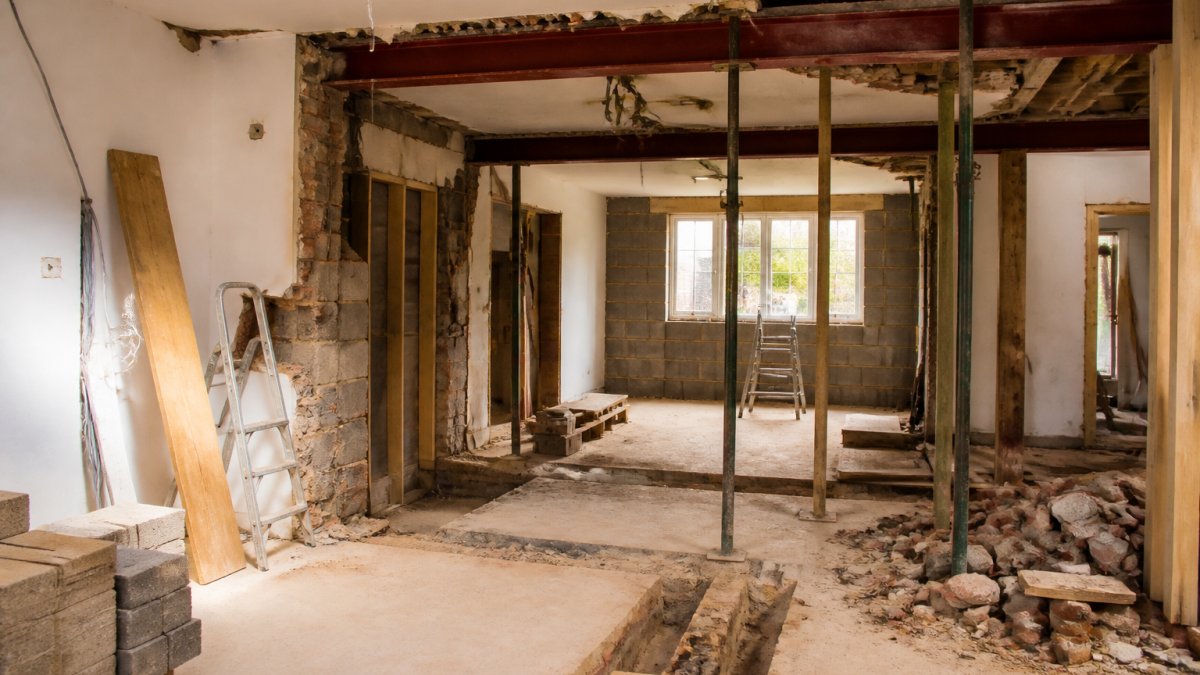
Land-to-home projects can run over initial estimates. This isn't dishonesty, it's the nature of construction. You can't know what's inside a wall until you open it. Asbestos, rotting timber, undersized foundations, or outdated electrical systems appear once work begins, and they must be addressed to meet current building standards.
The cost difference between various builders often comes down to how transparently they price these contingencies. Firms charging significantly less are either absorbing risk they shouldn't, or they're planning to recover those costs through change orders once work starts. That's the reality behind the question most homeowners ask: "Why is your quote higher than the others?"
Home Renovation Project Timeline: What to Expect
Most renovation projects take longer than promised.
A typical loft conversion, extension, or structural alteration can take several weeks or months, depending on complexity and unforeseen issues. These timelines assume good weather, available materials, and no major surprises in the existing structure.
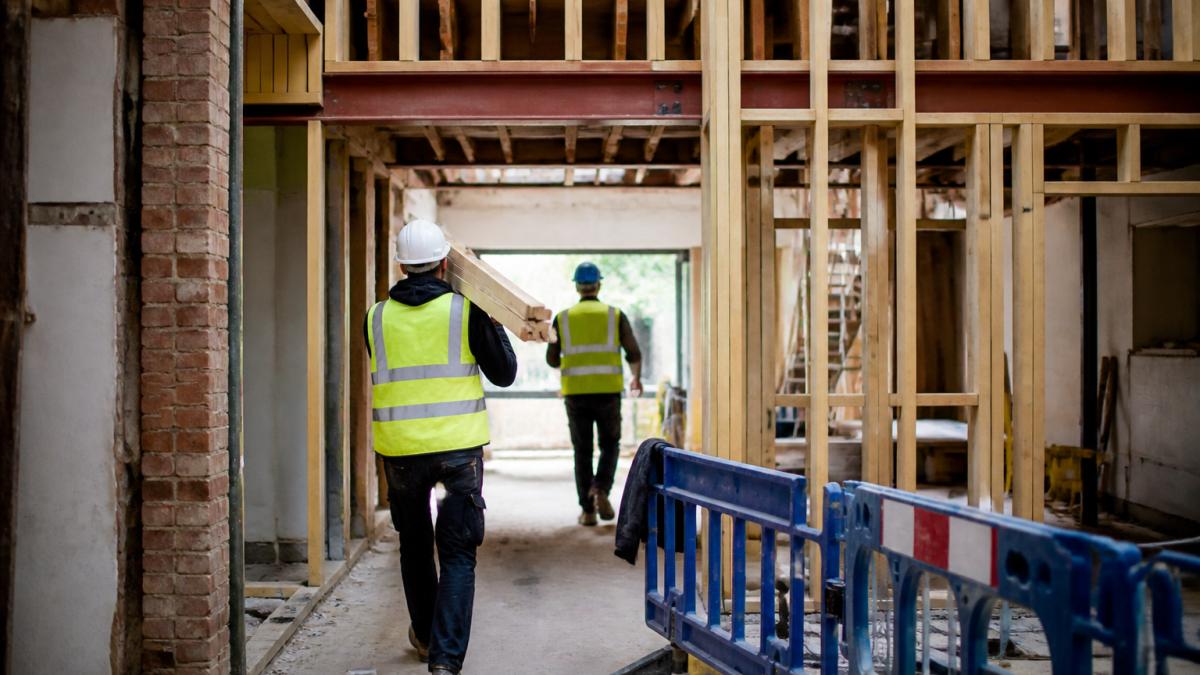
What actually delays projects falls into predictable categories. Planning permission appeals or amendments add 4-8 weeks. Building regulation inspections that fail because of unforeseen issues add 2-3 weeks per inspection cycle. Supply chain delays for specialist materials add 2-4 weeks. Structural discoveries, rotting joists, inadequate foundations, asbestos insulation, can add weeks to a project and cost thousands to remediate.
The firms worth trusting are those who build buffer time into their schedules and communicate proactively when delays occur. They don't promise four months and then deliver seven. They promise five months, plan for six, and deliver in five-and-a-half. That's how you spot a contractor who's managed enough projects to know how projects actually work.
Questions to Ask a Building Contractor Before Committing
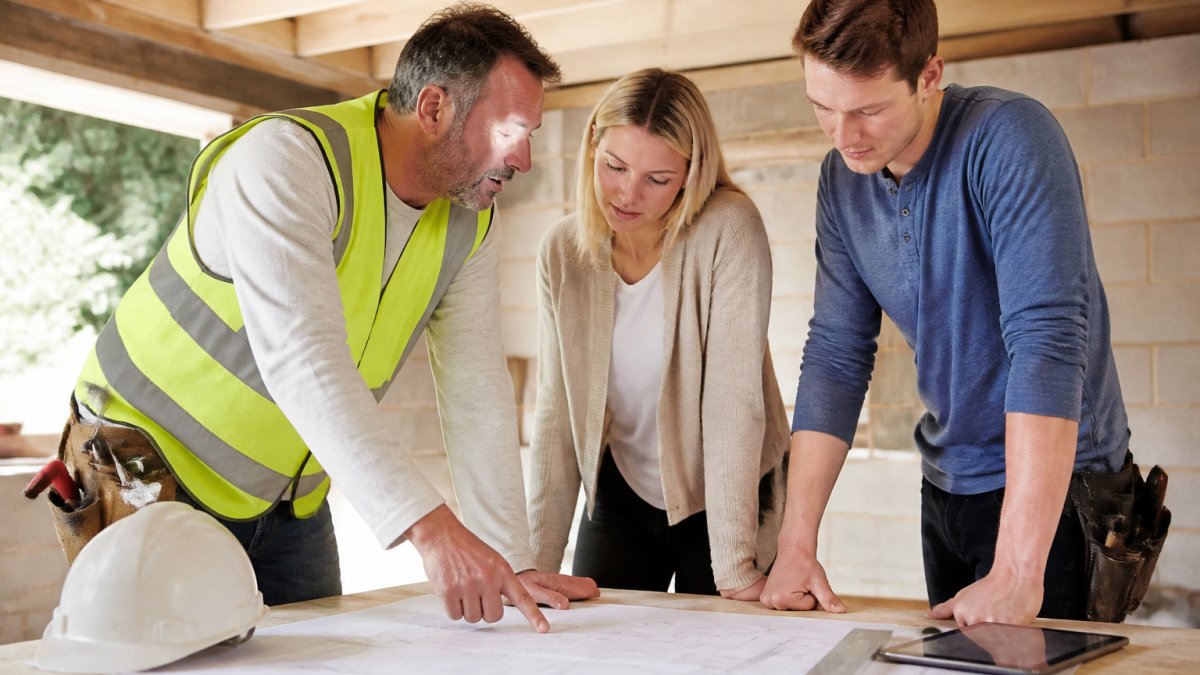
Before you sign a contract with any firm, whether you're considering Bramdean, Land to Homes, or an independent builder, you need answers to specific questions that reveal how they actually operate.
Ask about structural discovery protocols. If the surveyor finds issues during the initial assessment, how are costs handled? Who pays for remediation? Is there a cap on discovery costs, or can they spiral? A transparent contractor will explain their process clearly and show examples of how they've handled surprises on previous projects.
Ask for references from projects in your area. Not generic testimonials, actual contact details for homeowners whose properties are similar to yours. Call them and ask about timeline accuracy, cost overruns, and how the contractor handled unexpected issues. Ask whether they'd hire the same firm again.
Ask about site management during the project. How will they minimise disruption to your family? Will they establish site hours? How do they manage waste removal, parking, and noise? Will you have a dedicated project manager you can contact daily, or will you be dealing with different people each week?
Ask for a detailed breakdown of costs. Not a single line item for "labour and materials." You want to see labour costs, material costs, specialist fees, contingency percentages, and what's included versus what's an extra cost. This is where you discover whether the quote is genuinely lower or just incomplete.
Ask about guarantees and insurance. What happens if structural work fails within five years? Is there a defects liability period? Are they fully insured for public liability and professional indemnity? Can they provide proof?
Ask how they manage changes. Once work starts, you'll almost certainly want changes. How do they price variations? How quickly can they approve them? Do they have a change order process that's transparent, or do they wait until the final invoice to surprise you?
These questions aren't aggressive. They're the baseline questions any competent contractor expects and welcomes. A contractor who gets defensive or vague about these topics is showing you how they'll handle problems once work begins.
Why Experience and Transparency Matter in Your Choice
The renovation market in Surrey is competitive. You'll find many firms offering extensions, loft conversions, and structural work. Quotes for identical projects can vary. That variation isn't solely about quality. It's about how much experience the firm has with your specific type of property and how honestly they're pricing risk.
Experience matters because older properties, Victorian terraces, Edwardian semi-detached homes, 1970s bungalows, each have predictable structural quirks. A firm that's completed many loft conversions in Victorian properties knows what they'll find. They know which walls are load-bearing, which joists are likely to be undersized, and which building regulation challenges will emerge. That knowledge gets baked into their timeline and their contingency costs.
Transparency matters because it's how you identify whether a quote is genuinely competitive or simply incomplete. A firm that shows you exactly where your money is going, labour, materials, specialist fees, contingency for discovery, project management, is inviting scrutiny. They're confident their pricing is fair. A firm that keeps the breakdown vague is protecting themselves against questions they don't want to answer.
At FMT Construction, we've built our reputation on both. Over 35 years of practical experience in complex structural work means we understand the challenges before we walk onto your site. Transparent pricing and honest timelines mean you're not blindsided by costs or delays that could have been anticipated.
The choice between Bramdean, Land to Homes, or another contractor ultimately comes down to which firm you trust to be honest when problems emerge, because they will emerge.
Making Your Decision: Bramdean, Land to Homes, or a Different Path
| Approach | Timeline | Cost Predictability | Best For | Key Risk |
|---|---|---|---|---|
| Bramdean | Established, proven track record | Moderate, established firm pricing | Homeowners wanting brand recognition | Less flexibility if you want bespoke solutions |
| Land to Homes | Moderate, depends on project scope | Moderate, depends on discovery | Homeowners balancing cost and experience | Timeline variability with structural surprises |
| Independent experienced builder | Depends on firm, can be longer | Higher variability | Budget-conscious homeowners with clear scope | Less institutional support if issues arise |
| FMT Construction | Predictable, based on 35 years' experience | Transparent, detailed breakdown provided | Homeowners prioritising quality and honesty | Premium pricing reflects expertise |
Your decision shouldn't be based on the lowest quote. It should be based on which contractor you trust to deliver what they promise, handle surprises professionally, and finish with a result that genuinely improves your home.
Ask the questions we've outlined. Check references. Understand what's included in each quote and what's not. Visit completed projects if possible. Then choose the firm whose answers convince you they've done this enough times to know what they're doing.
The difference between a renovation that runs smoothly and one that becomes a nightmare often comes down to the contractor you choose at the start. Choose based on experience, transparency, and the specific questions they can answer about your property, not just generic promises about how good they are.
Frequently Asked Questions
What is the main difference between Bramdean and Land to Homes?
Both operate in the renovation and construction space, but their approaches differ. Bramdean focuses on renovation projects and building work, whilst Land to Homes specialises in land-to-home construction, transforming raw land into completed residences. Your choice depends on whether you're extending an existing property or building from scratch on land you own or plan to purchase.
Is it cheaper to buy an existing home or build one on land?
Building on land can offer better value if you find affordable land in your area, but costs vary significantly based on location, plot size, and build specifications. Buying an existing home avoids construction delays and unknowns, though it may lack customisation. Compare total costs, land purchase, planning, construction, and contingencies, against local property prices to determine which makes financial sense for your situation.
What should I ask a building contractor before starting work?
Ask about their experience with projects like yours, how they handle unexpected structural issues and cost overruns, their timeline estimates and what could delay them, their warranty and guarantees, how they manage site disruption, whether they're insured and certified, and how they communicate progress. Request references from recent projects and clarify what's included in the quote to avoid hidden costs later.
How long does a typical home renovation or land-to-home project take?
Renovation timelines vary depending on complexity and unforeseen issues. Land-to-home construction also varies from planning approval through completion. Always ask your contractor for a detailed schedule with realistic buffers, as delays often occur during structural discovery or planning changes.
If you're ready to discuss your specific project with a team that brings thirty-five years of structural expertise and transparent pricing to every job, we'd welcome the conversation. Call us to arrange a consultation where we'll walk through your property, identify the real challenges, and give you a detailed quote that shows exactly what you're paying for. That's how you make a decision you won't regret.